
HHD's Resources

Committed to Promoting Health Worldwide

Carmen Aldinger travels the world working with governments, United Nations agencies, and communities to advocate for health promotion through schools. Born in Germany, she grew up and worked on her family’s farm near Stuttgart. Aldinger received an MPH from Yale University and a PhD from Lesley University. She joined EDC's Health and Human Development division in 1998.

Why do you work with schools to promote health?

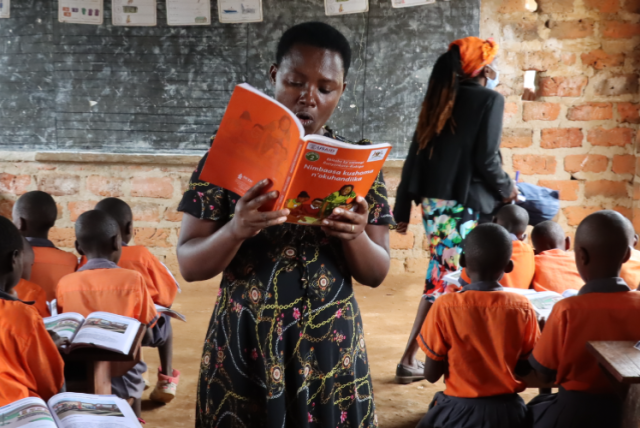
Whether we’re in China or South Africa or the Caribbean, we’ve seen how schools can be centers for social development in the community. They are a place where people who are concerned about students’ health and family health can work together; and where governments and policymakers can reach people in the communities.

Our goal is to help countries promote health through schools as an integral part of the education system, not just an add-on. The concept of a “health-promoting school” takes into consideration a school’s health policies, the physical and psychosocial environment, skills-based health education, and school health and nutrition services.

What have you learned about what works?

Schools come up with so many different and creative ways to improve the health of their students. Some of these ideas are included in a book I co-edited that was just published called Case Studies in Global School Health Promotion: From Research to Practice.

We collected 26 case studies around the world about the experiences implementing comprehensive school health programs. Then we analyzed these studies according to factors that research has shown are necessary for producing change. The key factors include a vision and concept, dedicated time and resources, stakeholder ownership and participation, collaboration across sectors, team training and ongoing coaching, and champions and leaders at all levels.

Did any schools really inspire you?

One school that particularly inspired me is in a community in South Africa with 90% unemployment, abject poverty, and many social challenges. The principal sees the school as a vehicle for social development. For instance, he built a clinic and counseling room on school grounds, and provides ongoing training in basic job skills to unemployed youth and parents. This principal realized the important role he can play as champion in his community to initiate change, and he has inspired other schools in the community to join him in his effort. He has received several awards lately.

Is there a common thread in the work you do around the world?

No matter where we work, it’s essential to involve the people who live and work in the local communities and schools. We need their input and participation to find effective and lasting solutions to the challenges their communities face.

For more information about our global work in school health promotion contact Carmen Aldinger at caldinger@edc.org.